How Long Do Mulcher Teeth Last Before Replacement Is Needed
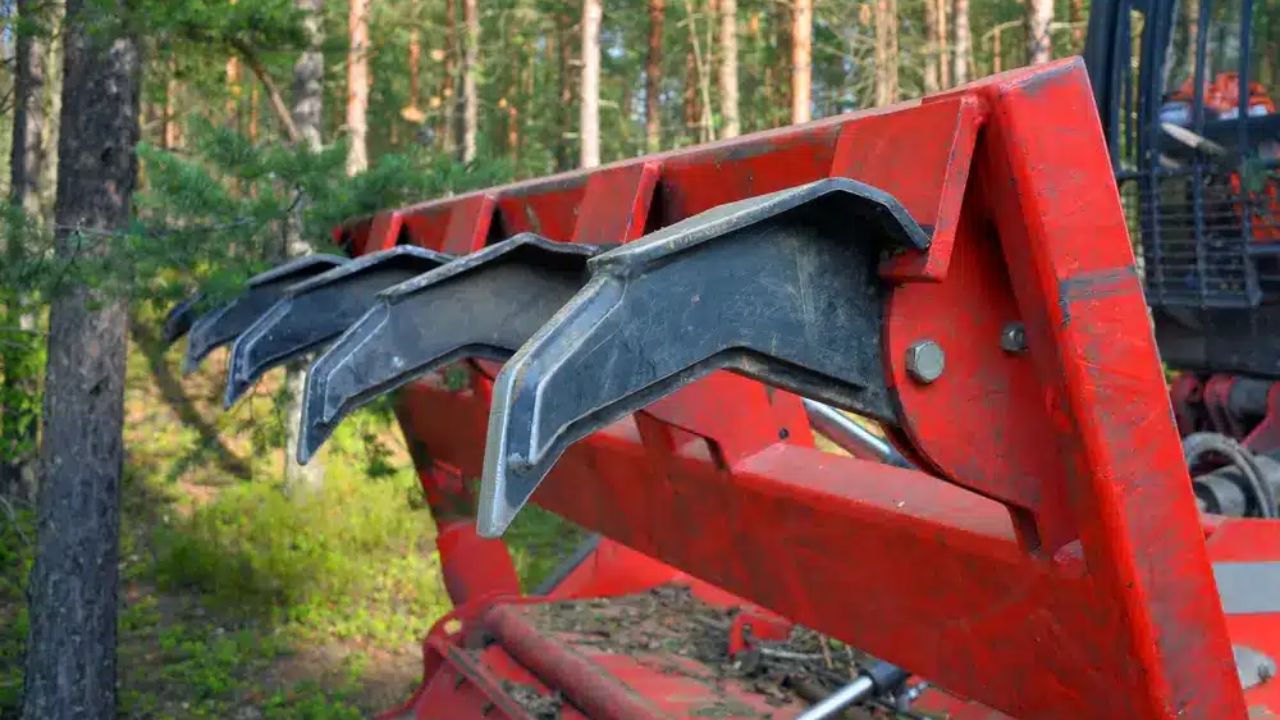
Mulcher teeth work under constant stress. They have to make their way through grass, brush, young trees, and even hidden rocks or hard ground. Given this combination of challenges, they eventually wear out and need replacement. However, for how long do mulcher teeth last, there is no standard period for this. The timing depends on how the machine is used and what it is cutting. In many field operations, equipment from JYF Machinery is paired with different tooth types, but even the best parts still follow a natural wear cycle.
Average Working Time Range
Mulcher teeth can last anywhere from a few dozen hours to several hundred hours. Light cutting jobs tend to extend their life, while heavy land clearing shortens it. In general, soft vegetation causes slow wear, while hard materials reduce lifespan more quickly. The difference is large enough that two machines doing similar work in different areas may have very different replacement timelines.
Mixed Vegetation Conditions
Mixed terrain includes grass, small branches, and uneven ground. This type of work creates medium wear levels. The teeth face changing resistance throughout the job, which slowly reduces sharpness. In these conditions, replacement becomes more predictable but still depends on how often the machine is used.
Heavy Brush and Woody Material
Dense brush and small trees increase the impact force on every cut. This type of work puts more pressure on the cutting edge and speeds up wear. In such environments, replacement happens sooner because the teeth lose sharpness faster. Machines supported by JYF Machinery often operate in these conditions, where performance changes can appear after relatively short working cycles.
Rocky or Abrasive Ground
Soil with stones or hard particles has a strong effect on tooth life. Even if the vegetation is light, hidden rocks can cause sudden damage. This type of wear is less gradual and more irregular. A single impact can reduce performance significantly or cause visible damage to the cutting edge.
Signs of Reduced Cutting Performance
One of the first signs that replacement may be needed is slower cutting. The machine may require more passes to achieve the same result. This happens because dull teeth do not break material efficiently. Instead of a clean impact, they start pushing vegetation rather than cutting it.
Changes in Machine Load
Worn teeth increase resistance on the machine. The engine or rotor may need to work harder to maintain the same output. This extra load is a clear sign that cutting efficiency is dropping. It often appears before visible damage is noticed on the teeth themselves.
Uneven Wear Patterns
Not all teeth wear evenly. Some may remain sharper, while others dull faster, due to their position on the rotor or their working angle. When wear becomes uneven, the cutting balance is affected. This leads to vibration and inconsistent results across the cutting area.
Edge Rounding and Dullness
A sharp edge is essential for clean cutting. Over time, that edge becomes rounded through repeated impact. Once the edge loses its shape, the tooth no longer cuts efficiently. At this stage, replacement becomes more practical than continued use.
Chipping and Small Breaks
Chips of small sizes do not automatically cause the engine to stop, yet they affect cutting performance. Each chip alters the interaction between the tooth and the surface. If damage spreads or becomes frequent, replacement is usually required to maintain consistent performance. In field operations using systems from JYF Machinery, chipped teeth are often replaced quickly to avoid uneven loads.
Vibration During Operation
Increased vibration is another sign of worn or damaged teeth. It often appears when balance across the rotor is lost. This vibration not only affects cutting quality but also stresses other parts of the machine. Ignoring it can lead to wider mechanical issues.
Environmental Impact on Replacement Time
There are many factors that contribute to the rate at which the teeth wear. Weather and soil conditions are among them. Sandy, dry soil increases abrasion, while moist soil decreases friction but can lead to clogging. Because of these changes, replacement timing is never fixed. The same teeth can last very different amounts of time depending on location.
Maintenance and Monitoring
Inspection will help you determine when the replacement is approaching. You should pay attention to signs of wear, such as dull blades, cracks, and wear.
When Replacement Becomes Necessary
Replacement is needed when cutting efficiency drops clearly and maintenance no longer restores performance. At this point, continued use only increases machine strain. Delaying replacement can also affect other components of the mulcher. The system works harder, which increases wear beyond the teeth themselves.
Conclusion
The exact period for tooth replacement cannot be established. The durability of mulching teeth depends on the material, soil quality, and operating conditions. Low-intensity work extends their lifespan, while tough terrain causes premature wear. In most cases, replacement occurs in response to changes in efficiency. Inspection of the equipment provided by JYF Machinery includes the regular replacement of mulching teeth.